Russ Emanuel: A Persistent Voice in Independent Cinema
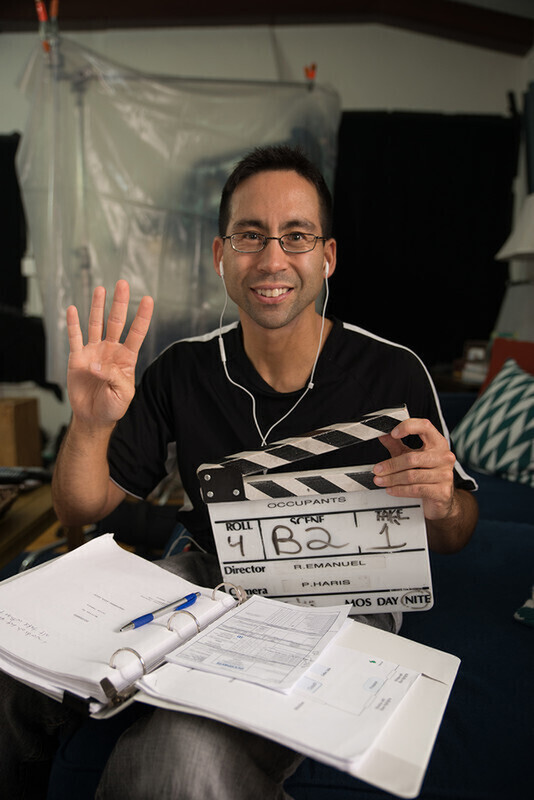
In an industry where most aspiring filmmakers never complete a single feature, Russ Emanuel has quietly built something rare: longevity. Over two decades, the independent director and producer has crafted eight feature films, founded his own production company, and attracted recognizable talent to modest-budget projects—all while remaining firmly outside the studio system.
Emanuel’s cross-cultural upbringing between Japan and the United States, followed by formal training at USC’s Cinema-Television program, provided both technical foundation and international perspective. But rather than pursuing the traditional path from film school to studio gigs, he made a deliberate choice in 2002: founding Russem Productions and betting on himself. It was a declaration of independence that would define his entire career.
What’s striking about Emanuel’s filmography isn’t just its breadth—spanning supernatural adventure, thriller, sports drama, and other genres—but its consistency. From P.J. in 2007 through Wisper in 2020 and now sequels like The Assassin’s Apprentice II and Staycation, he’s maintained a steady output that eludes most independent filmmakers. This versatility suggests pragmatic flexibility; independent cinema often demands choosing projects based on what can actually get financed rather than pure artistic preference.
His casting achievements reveal another facet of independent filmmaking savvy. Landing character actors like William Devane, Robert Picardo, Marina Sirtis, and Vincent Pastore for low-budget productions requires relationships, reputation, and compelling material. These aren’t A-list stars, but they’re respected performers with loyal followings—particularly Star Trek veterans who bring built-in genre audiences. It’s smart economics wrapped in creative credibility.
The 2014 documentary Restoration of Paradise represents an interesting detour, suggesting Emanuel isn’t purely a commercial filmmaker but someone interested in cinema’s broader purposes. Yet his recent pivot to sequels indicates he’s developed properties with enough audience response to justify continuation—a milestone many independent filmmakers never reach.
What Emanuel’s career really represents are the unglamorous realities independent filmmakers rarely discuss publicly: constant fundraising, compromises between vision and budget, distribution challenges, and building name recognition without studio marketing machinery. His “award-winning” status likely comes from the film festival circuit—important for credibility but not guaranteeing broader recognition.
Unlike directors who break through to studio work, Emanuel has remained independent for his entire career. This could reflect choice, circumstance, or both. The independent space offers creative control balanced against modest budgets and limited reach—freedom with constraints.
Russ Emanuel may not be a household name, but his career embodies what’s possible for dedicated filmmakers willing to work outside the system. He’s built a body of work, maintained industry relationships, and kept cameras rolling for twenty years. His story is valuable precisely because it’s not a fairy tale of overnight success but a testament to unglamorous persistence—the working professional who simply keeps working, project after project, building a career one film at a time. In Hollywood, that consistency is its own form of triumph.
FILM
Quarantine

Related Posts
know OUR FILMMAKER
Alberto Perez-Crossland From the moment young Alberto Perez-Crossland watched Jurassic…