

Shadows unfolds like a whispered elegy drifting through abandoned corridors of memory — intimate, spectral, and devastatingly human. With only a handful of lines, the piece conjures an atmosphere of emotional captivity where love and grief become inseparable shadows moving through eternity.
There is something hypnotic in its repetition, as though the voice itself is trapped inside an endless loop of longing. The lyrics do not merely describe darkness; they inhabit it. Each phrase arrives like an echo from another realm, carrying the weight of unresolved sorrow and fragile desire. The recurring image of a figure “walking in the shadows” transforms into a haunting metaphor for trauma, memory, and the persistence of emotional ghosts.
What makes Shadows remarkable is its restraint. It refuses excess. Instead, it leans into silence, rhythm, and emotional suggestion, trusting the listener to descend into its melancholic landscape. The final plea — “Release me from this painful game” — lands not as a dramatic conclusion, but as a quiet surrender to despair.
In its minimalism, Shadows achieves something deeply cinematic: a feeling rather than a statement, a mood rather than a narrative. It lingers like smoke after the final frame — elusive, mournful, and impossible to forget.
Related Posts

Official Jury Review : Rathill
Directed by Charles A. Christman III There is something admirable…
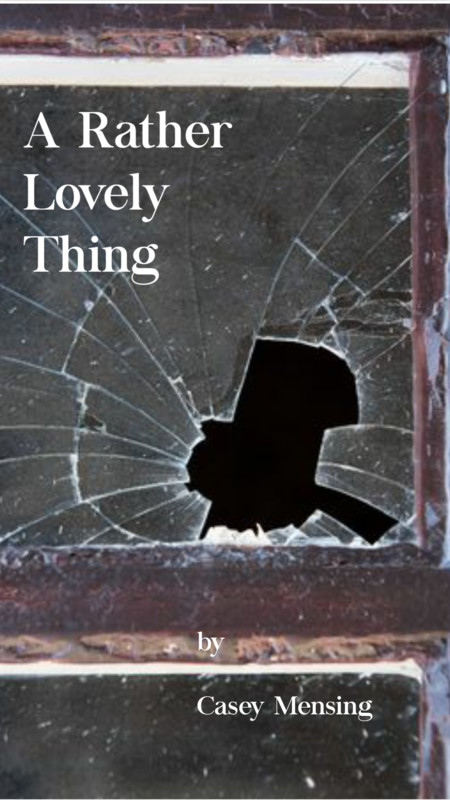
“A Rather Lovely Thing” Offers Poignant Portrait of Early 20th Century Rebellion
Casey Mensing's screenplay "A Rather Lovely Thing" arrives as an…

Official Jury Review- GORDON: THE ROAD TO KHARTOUM
Winner in the Best Feature Script Some historical dramas recreate…